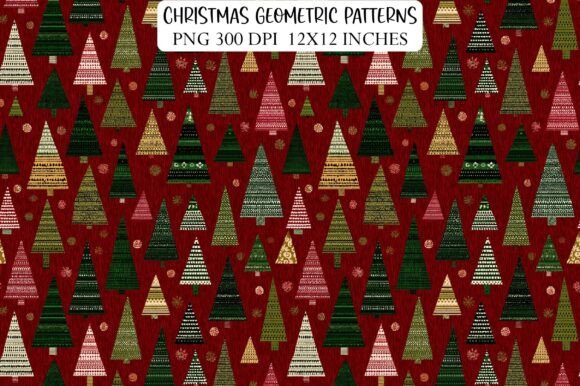
Christmas Geometric Patterns: Elevating Holiday Design with Modern Minimalism
The holiday season is a time of tradition, warmth, and visual abundance. For decades, Christmas design has been dominated by ornate illustrations, busy snowflakes, and cluttered festive scenes. However, a shift is occurring in the world of digital crafting and print-on-demand businesses. There is a growing demand for clean, structured, and sophisticated aesthetics that allow the recipient to appreciate the holiday spirit without visual overload. This is where Christmas Geometric Patterns enter the conversation, offering a fresh, modern alternative to traditional holiday decor.
If you are a crafter, small business owner, or DIY enthusiast looking to create high-quality products that stand out in a crowded marketplace, understanding the value of geometric design is essential. These patterns provide a versatile foundation for everything from elegant greeting cards to trendy apparel. By leveraging digital assets like solid color distressed effects, you can achieve a professional look that resonates with contemporary tastes.
Understanding the Appeal of Geometric Holiday Design
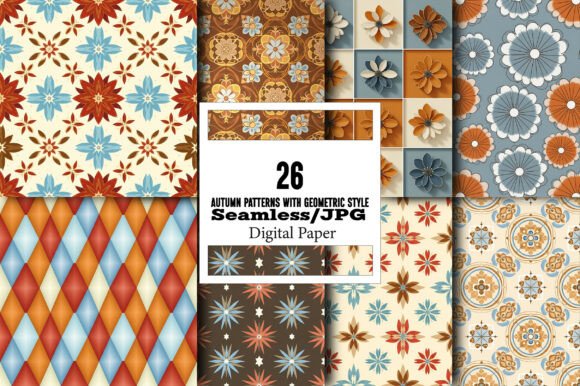
At its core, a Christmas Geometric Pattern relies on shapes—triangles, circles, hexagons, and lines—to create rhythm and structure. Unlike illustrative designs that depict specific objects like reindeer or Santa Claus, geometric patterns focus on form and composition. This abstraction allows for greater flexibility in application. The result is a design style that feels both timeless and current.
One of the primary reasons designers are turning to these patterns is their ability to convey "festivity" through color rather than just imagery. By using classic Christmas palettes—deep reds, forest greens, snowy whites, and metallic golds—in structured arrangements, you create an immediate emotional connection to the season. This approach is particularly effective for audiences who prefer minimalist interiors or modern branding. It strips away the noise and focuses on the essence of the holiday.
Solving Common Design Challenges
Many creators face specific hurdles when developing holiday product lines. One common challenge is balancing uniqueness with recognizability. You want your product to scream "Christmas," but you also want it to look distinct from the generic clip-art found on free stock sites. Another challenge is scalability. A complex illustration might lose detail when printed on a small sticker, while a simple pattern might look too plain if not executed well.
Christmas Geometric Patterns address these issues effectively. Because they are built on mathematical precision and repetition, they scale beautifully. Whether you are creating a large wall art piece or a tiny gift tag, the integrity of the design remains intact. Furthermore, the use of solid color distressed effects adds depth and texture without adding visual clutter. This "distressed" look mimics the feel of vintage paper or worn fabric, giving digital designs a tactile, authentic quality that appeals to consumers seeking handmade or artisanal vibes.
Practical Applications for Your Business or Hobby
The versatility of digital geometric patterns makes them suitable for a wide array of physical products. Here is how different users can implement these designs to maximize their potential:
- Stickers and Labels: Small-scale applications benefit greatly from the clarity of geometric shapes. A solid color pattern with a distressed edge looks crisp on vinyl stickers, making them perfect for labeling gift boxes, jars of homemade treats, or water bottles.
- Apparel and Textiles: T-shirts, sweatshirts, and holiday socks often struggle with overly detailed prints that crack or fade. Geometric patterns distribute ink more evenly across the fabric. When printed on cotton or blends, the distressed effect enhances the casual, cozy aesthetic of holiday loungewear.
- Greeting Cards and Stationery: For those who value elegance, geometric patterns offer a sophisticated backdrop for handwritten messages. They provide enough visual interest to be engaging while leaving ample white space for personal notes. This is ideal for corporate gifts or formal invitations.
- Wall Decor and Framed Art: Large-format prints allow the details of the pattern to shine. A 12x12 inch design, when scaled up, creates a striking focal point in a living room or office. The transparent background capability ensures that the pattern can be layered over different colors or textures during the design process before final printing.
- Scrapbooking and Digital Journaling: Hobbyists can use these PNG files as overlays or background elements. The transparency allows for seamless blending with photos, creating cohesive layouts that tie together a year’s worth of memories under a unified holiday theme.
Technical Specifications and Workflow Efficiency
For digital creators, workflow efficiency is just as important as the final aesthetic. The availability of high-resolution PNG files significantly streamlines the production process. Specifically, designs that come at 300 dpi (dots per inch) and 12×12 inches are considered the industry standard for print-ready materials.
Why does this matter? Resolution determines clarity. If you attempt to enlarge a low-resolution image, it will become pixelated and blurry, ruining the professional appearance of your product. Starting with a 300 dpi file ensures that every edge of your geometric shapes remains sharp, regardless of how much you resize it. The transparent background feature is equally critical. It removes the need for manual background removal in software like Photoshop or Canva, saving valuable time and reducing the risk of accidental errors.
Moreover, the ease of resizing means you can repurpose a single asset multiple times. A pattern designed for a t-shirt can be shrunk down for a mug or expanded for a poster. This maximizes the return on investment for your design efforts. Whether you are using Adobe Illustrator, CorelDRAW, or user-friendly platforms like Canva, these files integrate smoothly into existing workflows.
Considerations for Successful Implementation
While the technical aspects are straightforward, there are practical considerations to keep in mind to ensure the best results. First, always consider your end-user's device and printer. Colors may vary depending on the screen calibration of the viewer or the ink profile of the printer. To mitigate this, it is advisable to order a test print before committing to a large batch production. This allows you to verify that the solid colors appear vibrant and the distressed effect translates well to the chosen material.
Additionally, think about the context in which your product will be used. Geometric patterns work exceptionally well when paired with complementary typography. Clean, sans-serif fonts tend to enhance the modern feel of the design, while serif fonts can add a touch of classic holiday charm. Experimenting with these pairings can help you find the right tone for your brand.
Conclusion
Incorporating Christmas Geometric Patterns into your creative projects offers a powerful way to meet the evolving demands of the market. By combining modern aesthetics with practical functionality, you can create products that are not only visually appealing but also commercially viable. Whether you are designing for a niche audience of minimalists or a broad consumer base looking for unique holiday gifts, these digital assets provide the tools you need to succeed.
Remember that this is a digital instant download, meaning you have immediate access to start creating. With no physical items shipped and high-quality specifications ready to go, you can focus on what matters most: bringing your creative vision to life. Embrace the simplicity and sophistication of geometric design this holiday season, and watch your projects transform.