Elevating Brand Identity with Abstract Watercolor Floral Patterns in Digital and Print Media
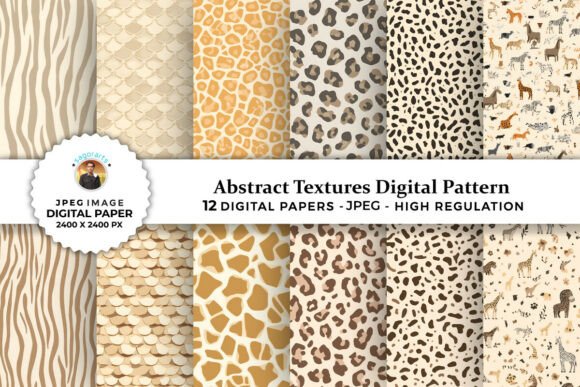
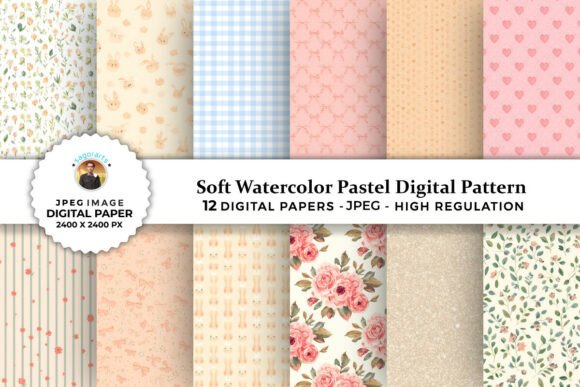
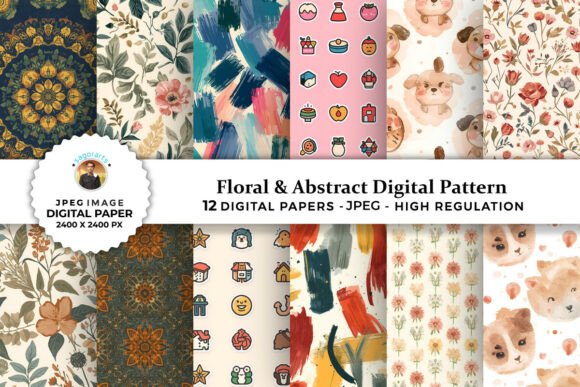
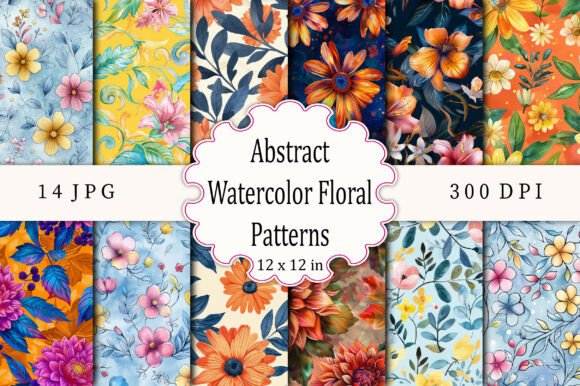
In the rapidly evolving landscape of visual communication, the distinction between organic artistry and digital precision has never been more critical. For professionals, creators, entrepreneurs, and marketers, the selection of background textures and decorative elements is not merely an aesthetic choice; it is a strategic decision that influences user engagement, brand perception, and market differentiation. Among the myriad of design trends circulating in 2024 and beyond, Abstract Watercolor Floral Patterns have emerged as a sophisticated tool for bridging the gap between traditional craftsmanship and modern scalability. This article explores why this specific visual language is gaining traction across diverse industries and how integrating high-quality assets like 14 unique JPG files at 300 DPI can transform creative workflows.
The Convergence of Organic Aesthetics and Digital Demand
To understand the relevance of Abstract Watercolor Floral Patterns, one must first look at the broader psychological response to visual stimuli in consumer behavior. In an era dominated by flat design, minimalist interfaces, and algorithmic content feeds, there is a growing fatigue associated with sterile, hyper-geometric visuals. Consumers are increasingly seeking authenticity, warmth, and human touch in their digital interactions. The fluidity of watercolor—characterized by its unpredictable bleeding edges, soft gradients, and natural imperfections—evokes a sense of humanity and vulnerability that rigid vector graphics often lack.
However, pure hand-painted watercolors present logistical challenges for large-scale production. They are difficult to reproduce consistently, prone to degradation when scaled, and require significant time to create. This is where the digitization of abstract floral art becomes invaluable. By capturing the essence of watercolor techniques and converting them into high-resolution digital formats, designers can harness the emotional resonance of organic art while maintaining the technical reliability required for professional output. The result is a versatile asset class that serves both editorial design and commercial branding needs effectively.
Why Professionals Are Prioritizing High-Resolution Abstract Assets
The shift toward remote work and distributed teams has accelerated the demand for plug-and-play creative resources. Freelancers and marketing agencies no longer have the luxury of waiting weeks for bespoke illustration commissions for every project iteration. Instead, they require immediate access to premium, ready-to-use assets that meet rigorous technical standards. This is precisely why the specification of 12×12 inches and High-resolution 300 DPI is not just a technical detail, but a marker of professional utility.
Understanding the Technical Specifications:
- 300 DPI (Dots Per Inch): This resolution is the industry standard for print media. Whether producing packaging, business cards, or high-end brochures, a 300 DPI file ensures that the delicate details of the watercolor texture remain crisp and free from pixelation. For screen-based designs, these files also provide exceptional clarity on Retina and 4K displays, ensuring that the subtle color variations in the floral patterns are visible even at small sizes.
- 12×12 Inches Dimensions: This square format is highly adaptable. It allows for seamless tiling in web backgrounds, provides ample space for complex compositions in social media posts, and fits perfectly within standard scrapbooking and layout grids. The dimensions offer a balanced canvas that captures the full scope of an abstract pattern without unnecessary whitespace or cropping issues.
- JPG Format Compatibility: While PNGs are preferred for transparency, JPGs remain the dominant format for image-heavy web content due to smaller file sizes and universal compatibility. For solid-color backgrounds or layered designs where transparency is handled via CSS or other design software layers, high-quality JPGs offer a lightweight yet visually rich solution.
Strategic Applications Across Industries
The versatility of Abstract Watercolor Floral Patterns allows them to be deployed across a wide spectrum of sectors. Let us examine how different professional groups can leverage these assets to enhance their value proposition.
1. E-commerce and Retail Packaging
In the competitive world of e-commerce, unboxing experiences play a pivotal role in customer retention. Brands selling cosmetics, skincare, artisanal foods, or luxury goods often rely on visual cues to communicate quality and care. An abstract floral pattern, rendered in soft watercolor tones, suggests natural ingredients, gentle formulations, and eco-conscious values. When applied to product packaging or shipping materials, these patterns differentiate a brand from competitors who use generic stock imagery. The ability to print these patterns at 300 DPI ensures that the intricate details of the "paint strokes" are preserved, reinforcing the perception of a premium product.
2. Digital Marketing and Social Media Content
Marketers are constantly battling for attention in crowded social media feeds. Static images with engaging textures tend to outperform plain text or simple graphic overlays. By using Abstract Watercolor Floral Patterns as background layers for promotional graphics, quotes, or event announcements, marketers can add depth and visual interest without cluttering the primary message. The organic shapes guide the eye naturally, creating a harmonious composition that feels curated rather than templated. Furthermore, the availability of 14 unique JPG files provides a month’s worth of distinct daily content, allowing brands to maintain a consistent yet varied visual identity.
3. Wedding and Event Industry
The wedding and events sector has long been a stronghold for floral motifs. However, traditional realistic flowers can feel dated or overly literal. Abstract interpretations offer a modern twist, appealing to couples and planners who desire elegance without cliché. Invitations, save-the-dates, and venue decor benefit from the soft, romantic aura of watercolor textures. The tactile quality implied by the digital representation of paint adds a layer of sophistication that resonates with high-end clientele.
4. Interior Design and Textile Printing
For interior designers and textile artists, the trend toward biophilic design—incorporating natural elements into built environments—is strong. Abstract watercolor florals fit seamlessly into this movement. They can be scaled up for wallpaper, printed on throw pillows, or used as accent walls in home offices. The non-representational nature of the patterns allows them to blend with various color palettes, making them a safe yet stylish choice for residential and commercial spaces alike.
Enhancing Workflow Efficiency with Curated Collections
One of the most significant barriers to creative productivity is "creative block"—the inability to generate original ideas under deadline pressure. Access to a pre-curated collection of Abstract Watercolor Floral Patterns mitigates this risk. Instead of spending hours searching for suitable textures on stock photo sites or attempting to recreate watercolor effects digitally, professionals can immediately integrate these assets into their projects.
This efficiency extends to collaboration. When working with clients or team members, having a library of high-quality, standardized assets reduces back-and-forth revisions regarding image quality. A 300 DPI file eliminates excuses about blurriness, allowing the conversation to focus on layout, typography, and messaging. Moreover, the diversity of 14 unique designs ensures that a single purchase or download can support multiple campaigns, reducing the need for repeated procurement and keeping budgets lean.
Future-Proofing Your Design Strategy
As we look toward the future of digital content, the lines between physical and digital experiences will continue to blur. Augmented Reality (AR) filters, virtual reality environments, and interactive websites will all require high-fidelity visual assets. The organic, fluid nature of watercolor patterns is particularly well-suited for animation and motion graphics. The soft edges and color blends translate beautifully into video transitions and dynamic backgrounds, offering a level of polish that hard-edged graphics struggle to achieve.
Furthermore, as AI-generated content becomes more prevalent, the value of authentic, artistically inspired digital assets will likely increase. Consumers are becoming more discerning about the origin and quality of the media they consume. Using professionally crafted Abstract Watercolor Floral Patterns signals a commitment to quality and artistic integrity. It demonstrates that the brand values aesthetics and attention to detail, traits that are increasingly important in building trust and loyalty.
Conclusion
The adoption of Abstract Watercolor Floral Patterns is more than a fleeting trend; it is a reflection of a broader desire for authenticity and beauty in our digital lives. For professionals, entrepreneurs, and creators, leveraging these high-resolution, versatile assets offers a tangible competitive advantage. By combining the emotional appeal of organic art with the technical precision of 300 DPI digital files, businesses can elevate their visual communication strategies. Whether enhancing packaging, enriching social media content, or defining brand identity, these patterns provide a robust foundation for creative excellence. As the market continues to evolve, those who invest in quality, adaptable, and aesthetically pleasing design resources will be best positioned to connect with their audiences and drive meaningful engagement.
Follow to discover more awesome artwork and stay ahead of the curve in professional design resources.
Thank you.