Unlocking Creativity with Soft Watercolor Pastel Digital Patterns
In the rapidly evolving landscape of digital design and crafting, the demand for high-quality, versatile assets has never been higher. Whether you are a professional graphic designer seeking to elevate a client’s brand identity or a hobbyist looking to add a personal touch to homemade gifts, the tools at your disposal define the quality of your output. Among these tools, Soft Watercolor Pastel Digital Patterns have emerged as a staple resource for creators who value elegance, subtlety, and emotional resonance in their work. These patterns offer a unique blend of artistic flair and technical precision, bridging the gap between traditional hand-painted aesthetics and modern digital convenience.
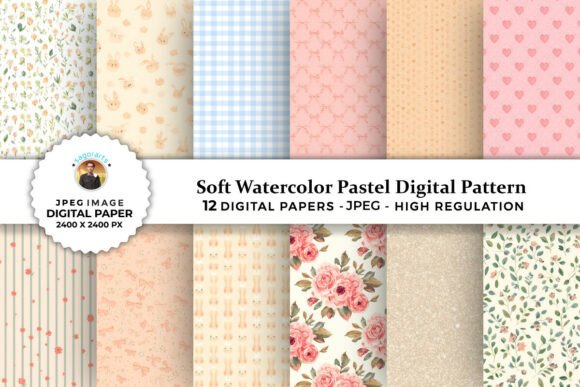
The appeal of this specific style lies in its versatility. Unlike bold, geometric, or highly saturated digital textures, soft watercolor pastels evoke a sense of calm, nostalgia, and sophistication. They are characterized by gentle gradients, blurred edges, and a muted color palette that ranges from blush pinks and sky blues to sage greens and warm creams. This visual language is not merely decorative; it serves a functional purpose in design by providing a non-distracting background that allows text, logos, or primary subjects to stand out while adding depth and texture to the overall composition.
The Anatomy of a Premium Digital Paper Set
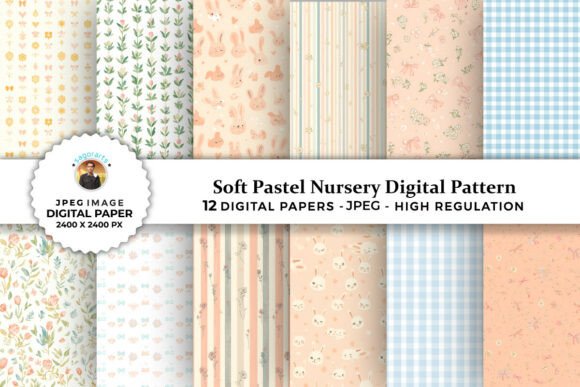
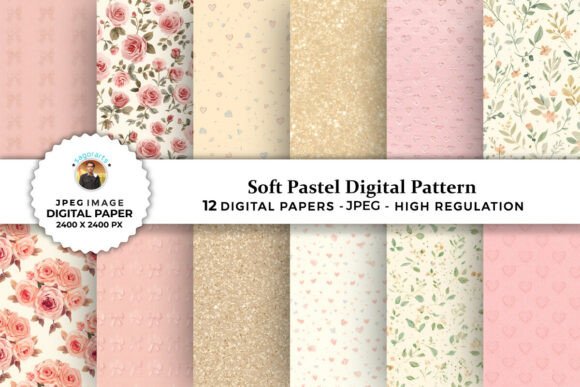
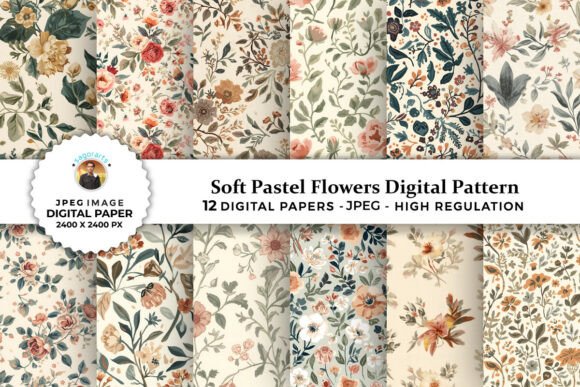
When evaluating digital assets, understanding what constitutes a "premium" set is crucial for ensuring compatibility and ease of use across various software platforms. A standard, high-quality collection typically includes a curated selection of designs that share a cohesive theme but offer enough variation to prevent monotony in larger projects. For instance, a comprehensive package often contains twelve distinct designs, each capturing a different nuance of the watercolor aesthetic.
These files are usually delivered in a compressed format, such as a ZIP archive, which simplifies the download and organization process for the user. Inside, creators will find individual JPEG files, a universally compatible image format that requires minimal processing power to open and edit. The resolution of these files is a critical factor in their utility. High-resolution outputs, specifically those measuring 2400 x 2400 pixels, ensure that the images remain crisp and clear even when scaled up for large-format printing. This dimension provides a square aspect ratio that is particularly useful for social media graphics, Instagram posts, and square-shaped craft items like coasters or small cards.
The choice of JPEG over formats like PNG or TIFF is often strategic. While lossless formats preserve every pixel, JPEGs offer a balance of quality and file size efficiency. For digital papers used primarily as backgrounds or textures, the slight compression artifacts are virtually imperceptible to the human eye, yet they result in significantly smaller file sizes that load faster in design software like Adobe Photoshop, Canva, or Procreate. This efficiency is vital for professionals managing tight deadlines and large project libraries.
Diverse Applications Across Industries
The utility of soft watercolor pastel digital patterns extends far beyond simple decoration. Their application spans multiple industries, each leveraging the unique properties of the medium to achieve specific goals. Understanding these applications helps designers and consumers maximize the value of their digital assets.
Event Planning and Stationery Design
One of the most prominent uses for these patterns is in the realm of event planning and stationery. Wedding invitations, baby shower announcements, and birthday party invites often rely on soft, romantic aesthetics to convey the tone of the celebration. A watercolor pastel background can serve as a subtle canvas for elegant typography, creating an invitation that feels both modern and timeless. Similarly, greeting cards benefit from the tactile illusion provided by digital watercolors. Even though the card is printed on paper, the high-resolution digital pattern mimics the look of actual brushstrokes, adding a layer of perceived value and care to the message being conveyed.
Product Packaging and Branding
For small business owners and entrepreneurs, packaging is a critical touchpoint in the customer experience. Products ranging from skincare items to artisanal chocolates often utilize soft watercolor designs to communicate natural ingredients, gentleness, and luxury. Tumbler wraps, for example, require durable, high-resolution prints that adhere smoothly to curved surfaces. The 2400 x 2400 pixel resolution ensures that when these patterns are wrapped around cylindrical objects, the seams align perfectly without pixelation or blurring. This attention to detail reinforces brand professionalism and enhances shelf appeal.
Digital Content Creation
In the digital sphere, content creators constantly seek ways to differentiate their visuals. Bloggers, YouTubers, and podcasters use these patterns as cover art, thumbnail backgrounds, or website headers. The pastel tones are easy on the eyes, making them ideal for long-form reading environments. Furthermore, educators and researchers may incorporate these patterns into presentations or educational materials to reduce cognitive load. By using a soft, non-intrusive background, complex information becomes more digestible, allowing the audience to focus on the data rather than the design elements.
Technical Considerations for Implementation
While the visual appeal of soft watercolor pastels is undeniable, successful implementation requires an understanding of technical nuances. Color management is perhaps the most significant challenge when transitioning from digital screens to physical prints. Digital displays use the RGB color model, which emits light to create colors, whereas printers use CMYK ink, which reflects light. Pastel colors, being low in saturation, can sometimes appear duller or shift in hue when converted from RGB to CMYK.
To mitigate this, designers should always proof their designs before finalizing large print runs. Many modern design software packages offer soft-proofing features that simulate how colors will look in print. Additionally, selecting the right paper stock is essential. Matte or uncoated papers tend to absorb ink differently than glossy finishes, which can affect the vibrancy of the watercolor effect. A matte finish, however, often complements the organic nature of watercolor patterns better, enhancing the handcrafted feel.
Another consideration is layering. In digital design, these patterns are rarely used alone. They are often placed behind text boxes, photos, or other graphical elements. Using blending modes such as "Multiply," "Overlay," or "Soft Light" can help integrate the pattern seamlessly with underlying layers. For example, applying a Multiply blend mode to a pastel watercolor pattern over a white background can deepen the shadows and enhance the texture, giving the design more depth without obscuring the readability of foreground elements.
The Role of Consistency in Creative Workflows
For businesses and recurring content creators, consistency is key to building brand recognition. Having access to a cohesive set of twelve digital papers allows for the creation of a unified visual identity across multiple platforms. If a brand uses one pattern for its Instagram story highlights, it can use variations from the same set for its email newsletters, business cards, and product packaging. This consistency creates a subconscious association for the consumer, reinforcing brand loyalty.
Moreover, the ability to mix and match within a single set allows for dynamic variety without sacrificing cohesion. A scrapbooker, for instance, might alternate between two similar pastel patterns to create rhythm in a layout, using solid-colored accents to break up the visual noise. This flexibility is a significant advantage over purchasing disparate clipart or backgrounds from different sources, where mismatched styles can lead to a disjointed final product.
Sustainability and the Shift to Digital Assets
The adoption of digital patterns also aligns with sustainable practices in crafting and design. Traditional methods of creating textured backgrounds often involve physical paints, papers, and scanning processes, which generate waste and require significant space and time. Digital assets eliminate the need for physical storage and reduce material waste. Once purchased, a single zip file containing twelve high-resolution patterns can be used indefinitely for countless projects, reducing the need to repeatedly purchase new physical supplies.
This shift towards digital resources empowers creators to experiment more freely. Without the cost of physical materials per attempt, designers can try different combinations and layouts without financial penalty. This freedom fosters innovation and creativity, leading to more diverse and expressive outcomes. As the industry continues to move towards remote collaboration and cloud-based workflows, the portability of digital assets becomes increasingly valuable, allowing teams to work together seamlessly regardless of location.
Conclusion
The integration of soft watercolor pastel digital patterns into creative workflows represents a convergence of artistic tradition and technological advancement. By offering high-resolution, versatile, and aesthetically pleasing assets, these digital papers empower a wide range of users—from seasoned professionals to enthusiastic beginners—to produce work that is both beautiful and functional. Whether used for delicate wedding invitations, robust product branding, or engaging digital content, these patterns provide the perfect backdrop for storytelling through design. As we continue to navigate a visually driven world, the ability to leverage such nuanced and adaptable resources will remain an essential skill for any creator aiming to make a lasting impression.