Unlocking the Wild Aesthetic: A Comprehensive Guide to Blue Safari Texture Patterns
In the world of digital design, print production, and creative branding, texture is often the unsung hero. It is the element that transforms a flat, two-dimensional image into something tactile, immersive, and visually compelling. Among the vast array of textures available to designers, Blue Safari Texture Patterns have emerged as a distinctive and powerful tool. These patterns blend the organic, untamed energy of the African savannah with the calming, professional hues of blue, creating a unique visual language that stands out in crowded marketplaces.
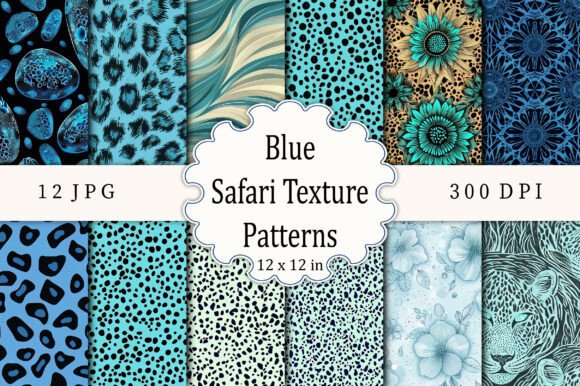
Whether you are a graphic designer looking for high-quality assets for a client project, a small business owner aiming to refresh your brand identity, or a hobbyist interested in digital scrapbooking, understanding the value and application of these specific textures is crucial. This guide explores what makes Blue Safari Texture Patterns so versatile, how they fit into modern design workflows, and why acquiring a comprehensive pack—such as one featuring 12 unique, high-resolution files—is an investment in your creative toolkit.
The Intersection of Nature and Design
To truly appreciate Blue Safari Texture Patterns, we must first understand the dual nature of their inspiration. The term "Safari" evokes images of golden grasses, dusty red earth, and the vibrant greens of acacia trees. However, the "Blue" modifier shifts this narrative entirely. By introducing cool tones—ranging from deep navy and midnight blue to soft sky blue and turquoise—designers can evoke feelings of trust, stability, and calmness while retaining the structural complexity of natural landscapes.
This combination is particularly significant in modern branding. For decades, corporate design has relied heavily on blues to signify reliability (think of banks, tech giants, and healthcare providers). Meanwhile, safari-themed elements have been used to suggest adventure, exploration, and authenticity. When combined, Blue Safari Textures offer a sophisticated alternative to traditional corporate backgrounds. They provide depth and character without the aggression of reds or the neutrality of grays.
Why Texture Matters in Digital Spaces
In an era dominated by screens, physical texture is simulated through digital means. High-quality textures help break up large areas of solid color, preventing designs from looking flat or sterile. They add a layer of realism that engages the viewer’s subconscious. For example, a website background using a subtle blue safari pattern might feel more inviting and grounded than a plain white page. In print, these textures can give packaging a premium feel, suggesting quality and attention to detail.
Furthermore, textures serve a practical purpose in visual hierarchy. They can be used to separate content sections, highlight call-to-action buttons, or provide a backdrop for typography that ensures readability while adding aesthetic flair. The intricate details found in safari-inspired patterns—whether mimicking animal prints, foliage silhouettes, or topographical maps—draw the eye and keep the viewer engaged longer.
Technical Specifications: What You Actually Get
When sourcing digital assets, specifications matter immensely. A common mistake beginners make is downloading low-resolution images that become pixelated when scaled up. This is where the technical details of a premium asset pack come into play. A robust collection of Blue Safari Texture Patterns typically adheres to industry standards to ensure versatility across various media.
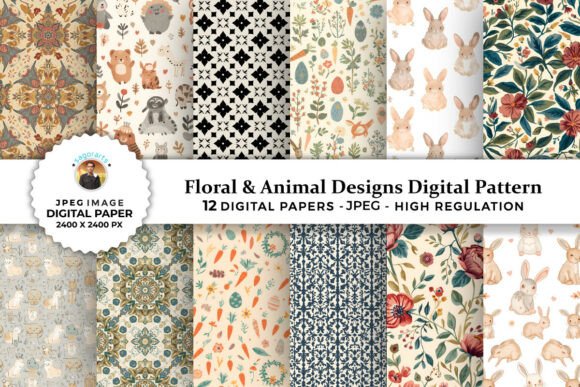
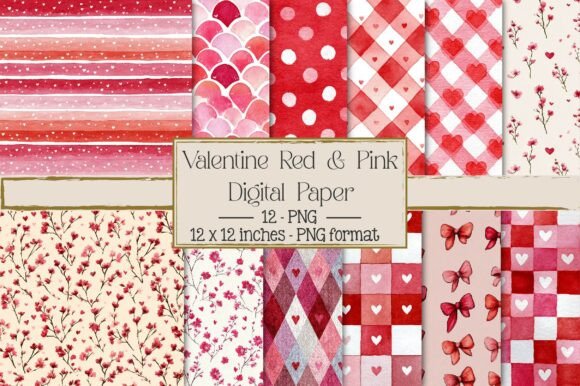
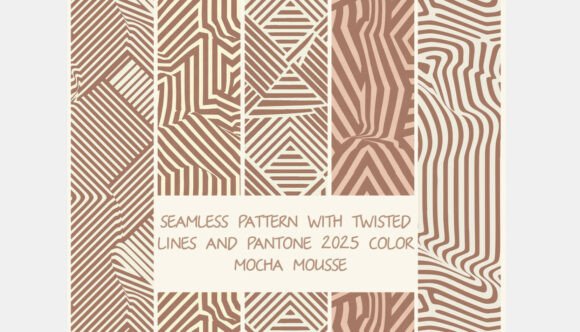
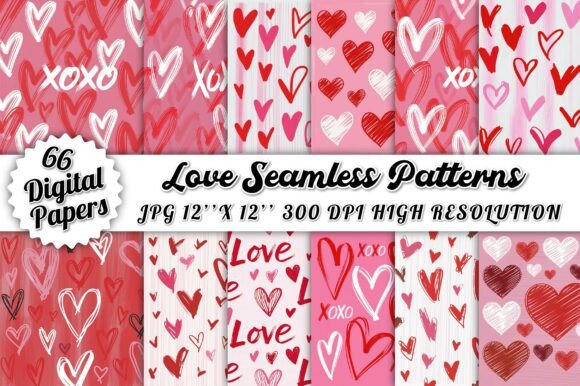
Format and Variety: A complete package usually includes 12 unique JPG files. Why twelve? Because creativity rarely relies on a single mood. Having a variety of patterns allows for layering, mixing, and matching. One file might feature a dense, dark blue geometric interpretation of jungle leaves, while another offers a sparse, airy pattern resembling water ripples under a twilight sky. This variety ensures that no matter the project’s specific tone, there is a matching texture available.
Resolution and Print Quality: The gold standard for professional printing is 300 DPI (dots per inch). Standard screen resolution is often 72 DPI, which looks fine on a monitor but appears blurry and blocky on paper. By providing files at 300 DPI, designers can safely use these textures for business cards, brochures, posters, and large-format banners without losing clarity. This high resolution preserves the fine details of the pattern, ensuring that the "blue safari" aesthetic remains crisp and professional.
Dimensions: Many professional texture packs offer files sized at 12×12 inches. This dimension is highly practical for several reasons. First, it is a standard size for scrapbooking and card-making supplies. Second, it provides a sufficient canvas for most desktop and laptop screen backgrounds. Third, it is easily scalable; because the file is high-resolution, you can scale it down for web use or upscale it slightly for smaller print jobs without significant quality loss. The square format also makes it ideal for social media graphics, Instagram stories, and profile pictures.
Practical Applications in Modern Creativity
So, how do these specific patterns translate into real-world projects? The applications are surprisingly broad, spanning multiple industries and creative disciplines.
Branding and Identity
Imagine a travel agency specializing in eco-tourism or a sustainable fashion brand. Their logo and marketing materials need to communicate adventure but also responsibility and calm. Blue Safari Textures can serve as the foundational background for their lookbooks, email newsletters, and website headers. The blue tones reinforce the eco-friendly, trustworthy aspect, while the safari motif hints at the journey ahead.
Event Design and Invitations
For themed events, such as baby showers, birthday parties, or corporate retreats, these textures provide instant thematic cohesion. A "Little Explorer" baby shower could utilize lighter, softer blue safari patterns alongside illustrations of animals. Conversely, a corporate team-building event focused on leadership could use darker, more structured blue patterns to convey strength and direction.
Digital Art and Social Media
Content creators constantly seek ways to make their feeds stand out. Using Blue Safari Texture Patterns as overlays or backgrounds for quotes, announcements, or product showcases adds a layer of polish. The 12 unique options allow for consistent yet varied content calendars. For instance, Monday’s post might use a bold, dark blue pattern, while Friday’s post uses a lighter, more relaxed variant, subtly guiding the emotional tone of the week.
Common Misconceptions About Digital Textures
There is a prevalent assumption that using stock textures is "cheating" or lacks originality. This is a misunderstanding of the design process. Professional designers rarely create every pixel from scratch. Instead, they curate and combine existing elements to build a cohesive vision. Using high-quality, licensed textures like Blue Safari Patterns is a standard practice that saves time and ensures technical perfection. The creativity lies not in generating the texture itself, but in how it is applied, layered, and integrated into the overall composition.
Another misconception is that blue is too cold for "safari" themes. As discussed earlier, color psychology plays a huge role. While warm colors dominate traditional depictions of Africa, blue offers a modern, stylized twist that appeals to contemporary audiences who may find traditional earth tones too heavy or dated. The blue palette makes the theme accessible and fresh.
Maximizing Value with a Complete Pack
When you invest in a pack containing 12 unique JPG files, you are not just buying a single image; you are acquiring a versatile resource library. The diversity within the pack allows for experimentation. You might start with a base texture and overlay other design elements, adjusting opacity and blending modes to create custom effects. The high resolution ensures that these experiments remain viable even if the project scope changes from digital to print.
Moreover, having a set number of curated patterns reduces decision fatigue. Instead of scrolling through thousands of unrelated images, you have a focused collection that shares a cohesive aesthetic. This consistency is key to building a strong brand identity or a harmonious personal portfolio.
Conclusion
Blue Safari Texture Patterns represent a perfect storm of aesthetic appeal and technical utility. They bridge the gap between the wild, exciting connotations of safari adventures and the serene, professional qualities associated with the color blue. For designers, entrepreneurs, and creatives, having access to a high-quality pack—featuring 12 unique, 300 DPI, 12x12-inch JPG files—is a strategic advantage.
These assets empower you to elevate your projects, whether you are designing a brand new logo, printing a batch of flyers, or crafting engaging social media content. By understanding the value of texture, resolution, and thematic consistency, you can harness the power of Blue Safari Patterns to create work that is not only beautiful but also effective. So, follow to discover more awesome artwork and start integrating these stunning textures into your next creative endeavor today.