Purple and Green Plaid Patterns
In the landscape of digital design, visual assets are not merely decorative; they are strategic tools that communicate brand identity, evoke specific emotional responses, and drive engagement. Among the vast array of available textures and backgrounds, Purple and Green Plaid Patterns occupy a unique niche. This combination is not a standard corporate default, but rather a deliberate choice that signals creativity, individuality, and a willingness to stand out from the monochromatic noise of modern digital interfaces. For entrepreneurs, marketers, and creators, understanding how to leverage such distinct visual elements can be the difference between a forgotten post and a memorable brand interaction.
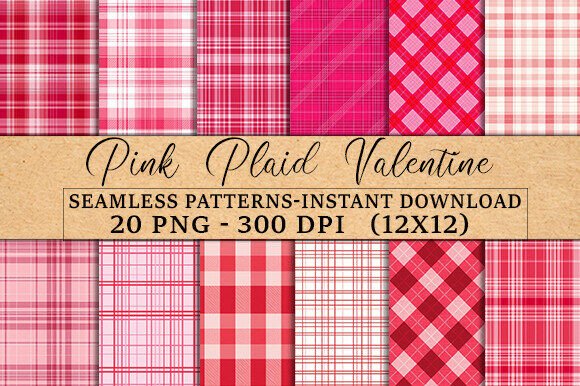
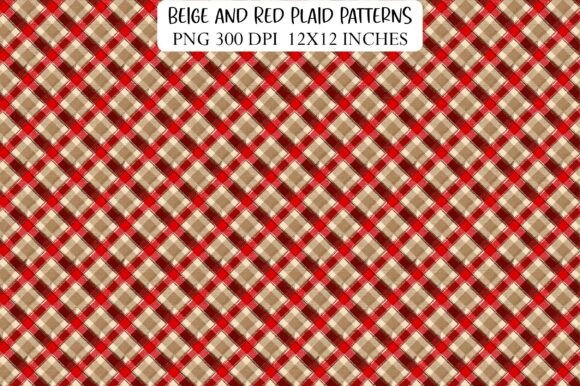
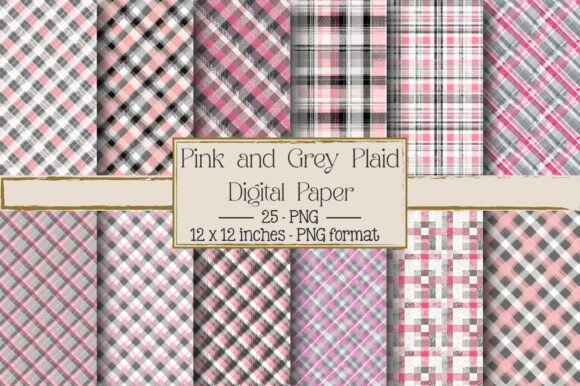
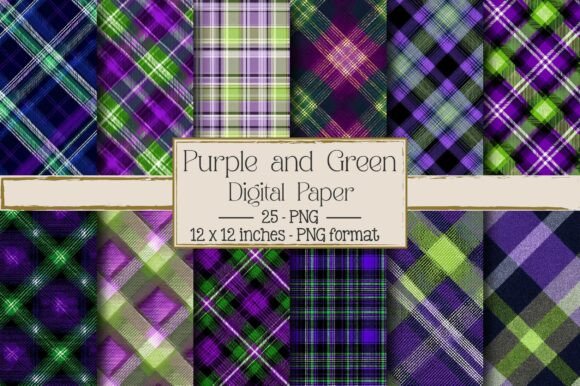
The specific offering described here—a collection of 25 PNG files featuring solid color distressed effects at 300 dpi with transparent backgrounds—provides more than just aesthetic variety. It offers operational efficiency and creative flexibility. When you acquire a set of high-resolution, transparent-background plaid patterns, you are acquiring modular components that can be integrated into various workflows without the technical friction often associated with complex graphic design projects. The distressed effect adds a layer of authenticity and tactile quality, which is increasingly valued in an era where consumers crave tangible experiences even within digital spaces.
Strategic Positioning Through Distinct Visual Identity
Most small businesses and content creators struggle with the "sameness" problem. In saturated markets, blending in is often interpreted as irrelevance. By integrating Purple and Green Plaid Patterns into your visual strategy, you are making a calculated decision to differentiate. Purple has long been associated with royalty, wisdom, mystery, and luxury, while green represents growth, harmony, freshness, and stability. Together, in a classic plaid structure, they create a visual tension that is both comforting and exciting.
For a brand looking to position itself as innovative yet grounded, this color palette offers a sophisticated alternative to primary colors or safe neutrals. Consider a lifestyle blogger launching a new line of stationery or a small business owner selling handmade goods on Etsy. Using these patterns allows for immediate brand recognition. When a customer sees the distinctive purple and green check, it becomes a visual shorthand for your product’s personality: bold, artistic, and thoughtful.
This approach supports long-term branding goals by building a consistent visual language. Consistency does not mean monotony; it means using a defined set of variables—like this specific plaid pattern—to create coherence across different touchpoints. Whether it appears on a business card, a social media story background, or a website header, the repeated use of this asset reinforces memory structures in the consumer's mind.
Practical Applications Across Digital and Physical Media
The versatility of PNG files with transparent backgrounds makes them indispensable for modern creators. Unlike JPGs, which come with white or colored boxes around them, PNGs allow the pattern to blend seamlessly with any underlying layer. This technical feature translates directly into creative freedom. Here is how this resource can be applied strategically across different mediums:
- Print-on-Demand Products: For entrepreneurs in the e-commerce space, particularly those selling stickers, t-shirts, or wall art, these designs serve as ready-to-use templates. The 300 dpi resolution ensures that when printed, the image remains crisp and professional, avoiding the pixelation that can undermine perceived value. The distressed effect adds a vintage or rustic charm that appeals to specific demographics who appreciate artisanal aesthetics.
- Digital Marketing Assets: Marketers can use these patterns as overlays for promotional graphics. A purple and green plaid texture placed over a product photo can add depth and context without obscuring the main subject. Because the background is transparent, you can adjust the opacity to create subtle watermarks or vibrant highlights, giving your ads a custom-designed look without hiring a graphic designer for every single post.
- Scrapbooking and Personal Projects: For hobbyists and educators, these files provide a bridge between digital convenience and physical craft. You can print these patterns on high-quality paper to create custom scrapbook pages, journal covers, or educational materials. The ability to resize the 12x12 inch files easily allows for precise planning of layouts, ensuring that the pattern aligns perfectly with other design elements.
- Brand Collateral: Small business owners can integrate these patterns into their operational documents. Think of letterheads, invoice templates, or presentation slide backgrounds. While caution is advised to avoid visual clutter, using the pattern sparingly—for example, as a border or a footer accent—can inject personality into otherwise sterile business communications.
Decision-Making and Workflow Integration
Acquiring a digital asset is only the first step; the strategic value lies in how it is integrated into your workflow. Before downloading or purchasing such a pack, consider your current design infrastructure. Do you have the software capabilities to handle 300 dpi images? Most modern graphic design software, including Adobe Photoshop, Illustrator, Canva, and even free alternatives like GIMP or Inkscape, can manage these resolutions effectively. However, ensure that your hardware can handle the file sizes without significant lag, especially if you plan to manipulate multiple layers.
When approaching the use of Purple and Green Plaid Patterns, adopt a methodical mindset. Start by defining the goal of each piece of content. Is the goal to draw attention? Use the pattern boldly as a full background. Is the goal to provide texture? Use it as a low-opacity overlay. This intentionality prevents the "design fatigue" that occurs when visual elements are applied randomly. Random application dilutes impact; strategic application amplifies message clarity.
Furthermore, consider the psychological impact of the colors on your target audience. If your audience skews younger, the vibrant nature of purple and green may resonate well with trends in streetwear or indie culture. If your audience is more traditional, the plaid motif might need to be muted or used in smaller doses to maintain professionalism. Understanding your demographic is crucial to determining the appropriate weight and placement of these patterns.
Risks and Mitigation Strategies
While powerful, distinctive design choices carry risks. The primary risk of using strong patterns like purple and green plaid is visual competition. If the pattern is too busy or the colors are too saturated, it can overpower the text or the product being showcased. This is known as cognitive overload, where the viewer struggles to process the information because the visual noise is too high.
To mitigate this, always prioritize hierarchy. Text should always be legible. If you place text over a plaid pattern, use solid-colored text boxes or drop shadows to ensure readability. Additionally, be mindful of color contrast. Ensure that the purple and green tones you choose do not clash with your existing brand colors. If your brand is primarily blue and orange, introducing purple and green might create a disjointed identity unless carefully balanced.
Another consideration is the "distressed" aspect. While this adds character, it can sometimes appear messy or unprofessional if not executed with care. In high-stakes corporate environments, a distressed pattern might signal a lack of polish. Therefore, reserve this aesthetic for brands and contexts where authenticity, creativity, and a human touch are valued over rigid perfection. For formal legal documents or medical brochures, this pattern would likely be inappropriate. Context is king.
Maximizing Value Through Intentional Usage
To truly get the most out of a 25-pack of Purple and Green Plaid Patterns, treat them as a system rather than isolated images. Create a style guide for yourself or your team. Document which variations work best for which purposes. Perhaps one specific shade of purple-green works best for holiday marketing, while a lighter, airier version suits spring launches. By cataloging these uses, you build a repository of proven strategies that save time in future campaigns.
Experiment with resizing and combining. Since the files are easy to resize, try creating seamless repeats or breaking the pattern into smaller fragments for use as icons or bullet points. This level of customization demonstrates a high degree of control over your visual narrative. It shows that you are not just consuming content, but actively shaping it to fit your unique needs.
Remember that this is a digital instant download. There is no shipping delay, but there is also no physical feedback loop. You must rely on your own testing and iteration. Print samples on different types of paper to see how the ink interacts with the distressed texture. Display digital versions on various devices to check how the colors render on mobile screens versus desktop monitors. Colors may vary depending on devices and printers, so calibration is key to maintaining consistency.
Conclusion on Strategic Design
In summary, Purple and Green Plaid Patterns represent more than just a cute aesthetic choice. They are a tool for differentiation, a component of brand storytelling, and a resource for operational efficiency. By understanding the strategic implications of color theory, texture, and layout, you can transform these simple PNG files into powerful assets that support your goals. Whether you are a seasoned entrepreneur refining your brand identity or a freelancer looking to add flair to client projects, intentional usage is the path to better results. Approach these patterns with clear objectives, respect the principles of visual hierarchy, and use them to enhance, rather than distract from, your core message. In doing so, you turn a simple download into a strategic advantage.