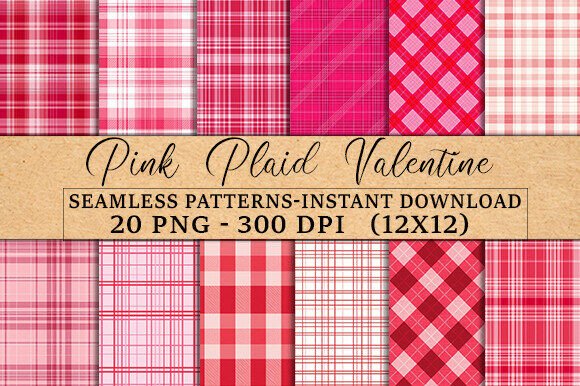
Pink and Grey Plaid Patterns: A Strategic Asset for Designers and Brand Builders
In the landscape of digital design, trends often cycle rapidly, yet certain visual motifs possess a timeless utility that transcends fleeting fads. Among these enduring elements is the Pink and Grey Plaid Pattern. While it may initially appear as a simple aesthetic choice, this specific color combination offers a sophisticated balance between warmth and neutrality, making it a versatile tool for entrepreneurs, creators, and small business owners looking to refine their visual identity.
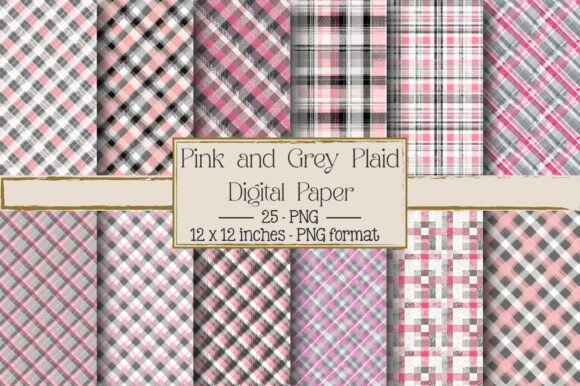
The product described—a collection of 25 designs featuring solid color distressed effects at 300 dpi with transparent backgrounds—is not merely a set of images; it is a functional asset designed to streamline production workflows. For professionals in marketing, scrapbooking, apparel printing, or digital content creation, understanding how to leverage these patterns strategically can significantly enhance output quality and brand consistency. This guide explores the practical applications, strategic advantages, and operational considerations of integrating Pink and Grey Plaid Patterns into your creative projects.
The Strategic Value of Color Psychology in Branding
Before diving into the technical specifications of the pattern pack, it is essential to understand why the specific combination of pink and grey holds weight in design theory. Colors are rarely neutral; they communicate subconscious messages to your audience. Grey is universally recognized as a color of sophistication, stability, and modernity. It acts as a grounding force, providing structure without overwhelming the viewer. Pink, particularly in its softer or muted variations often found in plaid designs, introduces elements of compassion, creativity, and approachability.
When these two colors intersect in a plaid formation, they create a visual tension that is both energetic and calming. This makes Pink and Grey Plaid Patterns exceptionally useful for brands aiming to project reliability while maintaining a friendly, accessible tone. For instance, a small business selling handmade goods or personalized gifts might use this palette to signal craftsmanship (grey) and care (pink). By selecting the right variation from a 25-design pack, you can tailor this psychological impact to fit specific campaign goals, whether that is launching a new product line or refreshing a seasonal marketing email.
Technical Advantages for Production Efficiency
For freelancers, publishers, and small business owners, time is a critical resource. The logistical details of the digital download—specifically the resolution and file format—directly impact your ability to execute projects efficiently. Receiving PNG files with a transparent background at 300 dpi ensures that these assets are print-ready and scalable across various mediums.
- High Resolution (300 dpi): This standard is crucial for physical products. Whether you are printing stickers, t-shirts, or frame artwork, low-resolution images result in pixelation and blurred edges. The 300 dpi specification guarantees crisp lines and clear textures, which is vital for maintaining a professional appearance on tangible goods.
- Transparent Backgrounds: In design software, working with pre-masked PNGs eliminates hours of manual background removal. This allows designers to layer the plaid pattern over other elements, such as text boxes, product mockups, or photographic backgrounds, without worrying about white borders interfering with the composition.
- Scalability: The note that these patterns are easy to resize with different software underscores their versatility. A designer can take a single pattern tile and expand it to cover a large wall decor piece or shrink it down for a tiny sticker detail, ensuring cost-effective usage of a single digital purchase.
Diverse Use Cases Across Industries
The versatility of Pink and Grey Plaid Patterns allows them to be deployed across a wide spectrum of industries. Understanding where these patterns fit best helps in allocating resources effectively and maximizing return on investment.
Apparel and Fashion Accessories
In the fashion sector, plaid has long been associated with heritage and durability. However, the addition of pink softens this association, making it suitable for contemporary streetwear, boutique clothing lines, or accessories like tote bags and scarves. Entrepreneurs in the print-on-demand space can utilize these designs to create limited-edition collections that stand out in crowded marketplaces. The distressed effect adds a vintage, worn-in charm that appeals to consumers seeking authenticity and individuality.
Stationery and Paper Goods
For educators, bloggers, and hobbyists involved in scrapbooking or card making, these patterns serve as excellent foundational elements. Cards require a balance of readability and decoration; a subtle plaid background can provide texture without distracting from the message. Similarly, planners, journals, and invitations benefit from the structured yet gentle nature of pink and grey. The distressed look adds character, suggesting that the item is handcrafted or artisanal, which can justify premium pricing in niche markets.
Digital Content and Web Design
While primarily marketed for physical products, high-resolution PNGs are equally valuable in digital contexts. Bloggers and digital marketers can use these patterns as headers, sidebar accents, or background textures for social media graphics. The transparency feature allows for seamless integration into website themes, enhancing user experience by adding visual depth without compromising load times or mobile responsiveness.
Implementation Strategies and Best Practices
Acquiring the assets is only the first step; executing them well requires intentionality. To achieve better results, consider the following strategic approaches when incorporating Pink and Grey Plaid Patterns into your work.
Maintaining Visual Hierarchy
A common mistake in design is allowing the pattern to overpower the primary message. Because plaid patterns contain intersecting lines and multiple shades, they can become visually noisy if not handled carefully. When using these designs for text-heavy items like cards or flyers, ensure there is sufficient contrast. Place text on solid-colored overlays or within clear zones where the pattern does not compete for attention. The goal is to support the communication, not obscure it.
Cohesive Branding
If you are building a brand identity, consistency is key. Do not randomly select patterns from the 25 available designs based solely on whim. Instead, choose a subset that aligns with your overall color palette and brand voice. If your brand uses earth tones, a warm pink-grey plaid might fit perfectly. If your brand is more clinical or tech-focused, a cooler, sharper grey-pink variant would be more appropriate. Curating a consistent selection helps build recognition and trust with your audience.
Leveraging the Distressed Effect
The "solid color distressed effect" mentioned in the product description is a unique selling point. This texture mimics wear and tear, adding a layer of history and realism to digital designs. Use this to your advantage when targeting audiences who value nostalgia, sustainability, or artisanal quality. Avoid using the distressed effect in contexts where cleanliness and precision are paramount, such as medical or legal documentation, unless specifically styled to convey approachability.
Risks and Considerations
No design asset is without potential pitfalls. Being aware of these risks allows you to mitigate them before they impact your projects.
Color Variance
The disclaimer regarding color variation depending on devices and printers is a critical operational consideration. Digital screens emit light, while printed materials reflect it. A pink that appears vibrant on an iPhone screen may print as a duller shade on paper due to ink limitations or monitor calibration differences. Always order physical proofs before committing to large-scale production runs. This step is non-negotiable for quality control, especially when dealing with nuanced color blends like those found in plaid patterns.
Over-Saturation
Plaid is a bold pattern. Overusing it can lead to visual fatigue. If every element of your design—from the background to the borders to the icons—features the same plaid motif, the result will feel cluttered and unprofessional. Practice restraint. Use the Pink and Grey Plaid Patterns as an accent or a background element, allowing other design components to breathe. This selective application enhances the impact of the pattern rather than diminishing it.
Long-Term Value and Decision Making
Investing in a comprehensive pack of 25 designs provides long-term value beyond immediate projects. For growing businesses, having a library of high-quality, versatile assets reduces the need for constant external design commissions. It empowers internal teams to iterate quickly and respond to market trends with agility.
Furthermore, the digital nature of the download means these assets are yours to keep and reuse indefinitely. Unlike licensed stock photos that may have usage restrictions or expiration dates, these PNG files offer perpetual utility. This aligns with sound financial planning for small businesses and freelancers, turning a one-time expense into a recurring asset that supports multiple revenue streams.
Conclusion
The Pink and Grey Plaid Patterns pack represents more than just a decorative resource; it is a strategic tool for enhancing visual communication. By understanding the psychological impact of the colors, leveraging the technical benefits of high-resolution transparent PNGs, and applying thoughtful design principles, creators and business owners can elevate their products and branding. Whether you are designing stickers, apparel, or digital content, the key lies in intentional usage. Approach these patterns with clarity of purpose, respect for visual hierarchy, and attention to print quality, and they will serve as a reliable foundation for achieving your creative and commercial goals.