Minimal Nature Digital Patterns
In the world of digital design, there is a distinct difference between a background that merely occupies space and one that enhances the message. For crafters, small business owners, and creative professionals, finding assets that strike the right balance between visual interest and restraint is often the hardest part of the workflow. This is where Minimal Nature Digital Patterns steps in as a versatile solution. These are not just decorative images; they are carefully curated design assets intended to elevate projects ranging from intimate greeting cards to large-scale packaging designs.
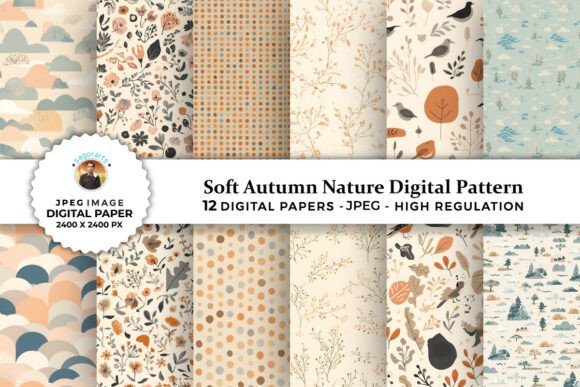
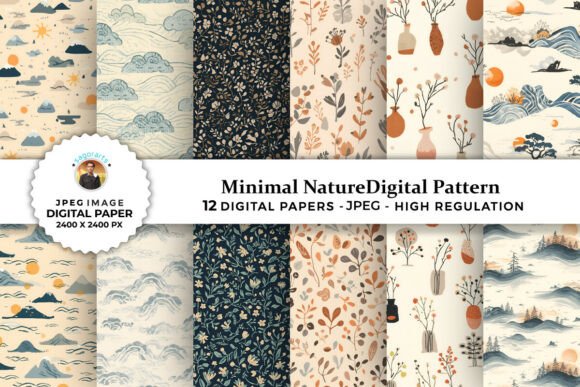
The collection features twelve unique digital papers, each encapsulating a serene, organic aesthetic without overwhelming the primary content. Whether you are designing a tumbler wrap for an Etsy shop, creating a scrapbook layout, or preparing social media graphics for a lifestyle brand, these patterns offer a sophisticated foundation. The files are provided in a single, convenient zip archive, ensuring that your download process is as seamless as the application of the design itself.
Visual Characteristics and Design Philosophy
At its core, Minimal Nature Digital Patterns relies on the principle that less is often more. The visual language here is defined by soft textures, subtle gradients, and organic shapes that mimic elements found in the natural world—think gentle waves, leaf veins, stone textures, or abstract botanical forms. However, unlike busy floral prints or high-contrast geometric patterns, these designs prioritize negative space and muted color palettes.
This approach creates a specific personality for the designs: calm, trustworthy, and modern. When used in branding or editorial design, these patterns convey professionalism without feeling sterile. They avoid the cluttered look that can make digital interfaces feel dated or print materials appear cheap. Instead, they offer a premium font-like quality to the background layer, allowing text and focal imagery to breathe. The style is particularly effective for brands that want to communicate sustainability, wellness, or artisanal quality, as the "nature" aspect feels authentic rather than forced.
The appeal lies in their versatility. Because the patterns are minimal, they do not compete with other design elements. A designer can overlay bold typography, intricate illustrations, or product photography over these backgrounds without worrying about visual conflict. This makes them ideal for font pairing exercises where the background needs to support, not distract from, the chosen typeface. For instance, a clean sans serif font placed over a subtle stone texture reads clearly and looks expensive, whereas the same text on a chaotic pattern would become illegible.
Technical Specifications and Usability
One of the most practical aspects of this collection is its technical execution. Each of the twelve digital papers is delivered as a high-resolution JPEG file, sized at 2400 x 2400 pixels. While this resolution might seem modest for massive billboards, it is perfectly adequate for the vast majority of commercial and personal use cases. It covers standard paper sizes for printing, including A4, Letter, and various square formats used in Instagram posts or Pinterest pins.
The JPEG format ensures broad compatibility across all major design software, from Adobe Photoshop and Illustrator to Canva and Microsoft PowerPoint. There is no need for complex vector tracing or transparency adjustments. You simply drag and drop the image into your project canvas, scale it to fit, and apply it as a background layer. This ease of use is crucial for hobbyists and entrepreneurs who may not have extensive graphic design training but still demand high-quality results.
- High Resolution: 2400 x 2400 pixels provides sufficient detail for crisp printing on cardstock, fabric wraps, and digital screens.
- Unified Format: All files are JPEGs, eliminating compatibility issues and simplifying file management.
- Single Source: Receiving all twelve patterns in one zip file keeps your asset library organized and easy to access.
For those working on physical products like tumbler wraps or gift tags, the resolution ensures that edges remain sharp when scaled up slightly. If a project requires larger dimensions, these files serve as excellent base layers that can be expanded using smart object techniques in Photoshop while maintaining the integrity of the pattern’s grain and texture.
Practical Applications Across Industries
The utility of Minimal Nature Digital Patterns extends far beyond simple decoration. Here is how different creative roles can leverage these assets effectively:
Crafters and Small Business Owners
If you sell handmade goods, digital patterns are a secret weapon for consistency. Use them as backdrops for product photography to create a cohesive brand identity across your online store. They work exceptionally well for packaging design, such as lining boxes for candles, soaps, or jewelry. The natural theme aligns perfectly with eco-friendly products, reinforcing the brand story before the customer even opens the package.
Designers and Marketers
For web designers, these patterns can serve as subtle section dividers or hero background overlays. When combined with a modern typography scheme, they add depth to flat web layouts. In marketing, they are perfect for creating eye-catching yet elegant social media graphics. Imagine a quote post featuring a minimalist nature pattern behind white, bold text—it immediately stands out in a crowded feed without shouting for attention.
Publishers and Content Creators
E-book authors and bloggers can use these patterns for chapter headers, sidebars, or cover art. In editorial design, a touch of organic texture can soften the rigid grid of a magazine layout, making the reading experience more inviting. For scrapbookers, these digital papers allow for hybrid projects where digital photos are printed on textured backgrounds that mimic real-world craft materials.
Evaluating Project Fit and Brand Perception
Choosing the right background pattern is a strategic decision that influences audience engagement. Minimal Nature Digital Patterns are best suited for projects that value clarity, elegance, and authenticity. They are less appropriate for high-energy, neon-heavy, or ultra-modern tech brands that require stark, industrial aesthetics. Instead, they shine in sectors like wellness, home decor, fashion, education, and community-focused organizations.
When evaluating whether these patterns fit your project, consider the emotional response you want to evoke. Do you want your audience to feel relaxed? Trustworthy? Inspired? The organic lines and soft tones of these patterns naturally guide the viewer toward a sense of calm. This subconscious association can enhance the perceived value of your product or service. A greeting card with a minimal nature pattern feels more thoughtful and curated than one with a generic stock photo, signaling to the recipient that care was put into the creation.
Furthermore, these patterns support brand recognition. By consistently using a specific subset of these textures across different mediums—such as email newsletters, business cards, and website headers—you create a visual thread that ties your brand identity together. Consistency in design assets reduces cognitive load for the consumer, making your brand easier to remember and trust.
Final Recommendations for Implementation
To get the most out of Minimal Nature Digital Patterns, treat them as foundational elements rather than standalone features. Layer them with opacity settings to soften their impact, or combine multiple patterns from the set to create custom collages. Always test your final design in grayscale first; if the hierarchy holds up without color, your use of the pattern is likely balanced correctly.
Remember that these are commercial-grade assets designed for flexibility. Whether you are creating a one-time invitation or building a long-term brand toolkit, the high-resolution JPEGs provide the durability needed for both digital and print workflows. By integrating these minimal, nature-inspired patterns into your creative process, you are not just adding a background; you are establishing a tone of refined simplicity that resonates with modern audiences.