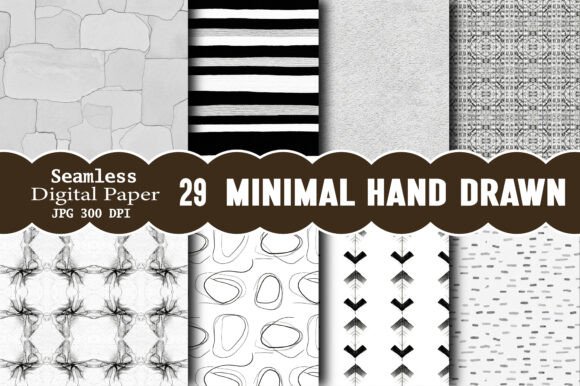
Minimal Hand Drawn Patterns
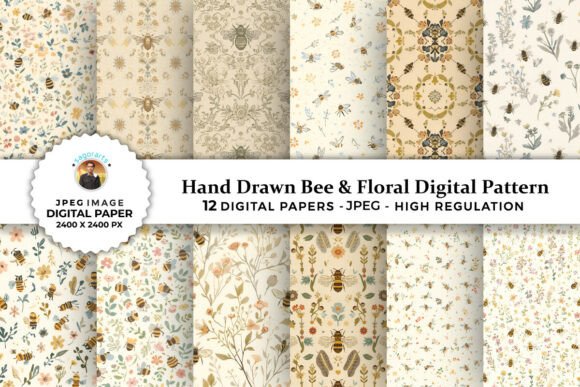
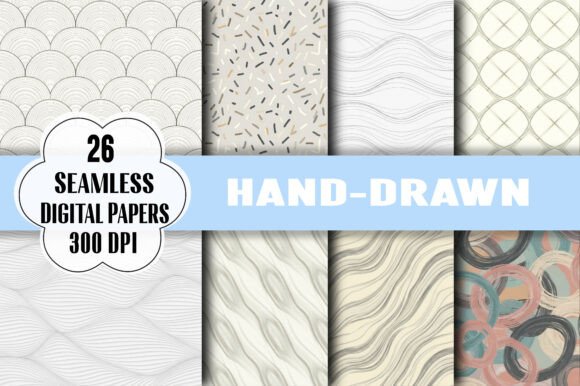
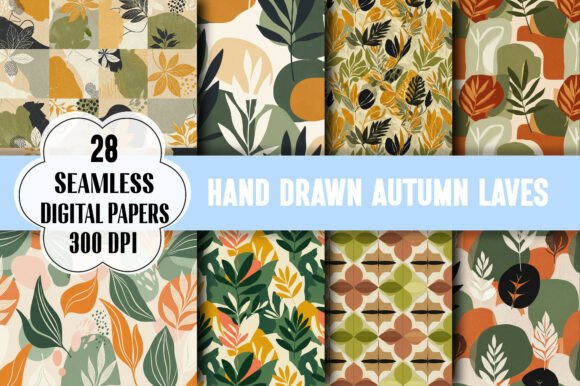
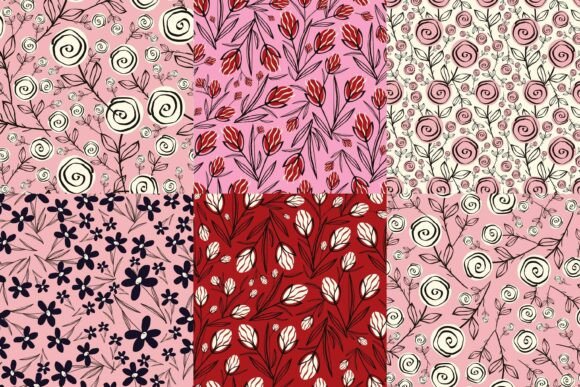
In a digital landscape saturated with hyper-realistic imagery and rigid geometric grids, there is a refreshing resurgence of organic charm. Minimal Hand Drawn Patterns offer a sophisticated yet approachable aesthetic that bridges the gap between professional polish and artisanal warmth. These seamless designs are not merely decorative; they are powerful visual tools that can elevate brand identity, enhance user experience, and add a distinctive human touch to any creative project. For designers seeking to inject personality without clutter, these assets provide the perfect balance of structure and spontaneity.
The Power of Organic Visuals in Modern Design
The appeal of hand-drawn elements lies in their ability to convey authenticity. In an era where consumers crave genuine connections, the slight imperfections inherent in sketch-style graphics signal craftsmanship and care. This aesthetic aligns seamlessly with modern trends favoring natural materials, sustainability, and personalized experiences. When integrated into a cohesive design system, minimal hand-drawn motifs create a sense of trust and approachability, making them ideal for brands that want to appear friendly, creative, and human-centric.
From a technical standpoint, these patterns are versatile. They work exceptionally well as background textures, border accents, or standalone graphic elements. Their simplicity ensures they do not compete with primary content, allowing typography and key messaging to remain the focal point. This adherence to visual hierarchy is crucial for maintaining readability and guiding the viewer’s eye through complex layouts.
Practical Applications Across Creative Industries
The utility of these design assets extends far beyond simple decoration. Here is how professionals across various fields are leveraging minimal hand-drawn patterns to enhance their output:
- Branding and Logo Design: Use these patterns to create unique brand identities. They add texture to logos, business cards, and stationery, helping businesses stand out in crowded markets.
- Social Media Graphics: Stand out in a feed dominated by polished photos by using whimsical backgrounds for quotes, announcements, or product showcases. These patterns add depth and interest to Instagram posts, Pinterest pins, and Facebook banners.
- Web and UI/UX Design: Incorporate subtle repeating patterns in website headers, footer sections, or mobile app interfaces to create visual interest without distracting from functionality. They help establish a distinct mood and improve engagement.
- Packaging Design: For consumer goods, especially in the food, beauty, and craft sectors, hand-drawn patterns suggest quality and attention to detail. They transform ordinary packaging into memorable unboxing experiences.
- Editorial and Print Design: Enhance magazine layouts, newsletters, and brochures with artistic borders or section dividers. These elements guide readers through content while adding an editorial flair.
Expanding Your Creative Toolkit
Beyond traditional marketing materials, these assets open doors to diverse creative projects. Imagine transforming ordinary storage containers into whimsical mini junk journals or creating eye-catching scrapbook decoupage to preserve precious memories. Picture a party adorned with napkins and plates featuring bespoke patterns, or candles and soaps enhanced with labels that reflect a curated aesthetic. Whether you are designing cozy atmospheres with visually striking mugs and tumblers or crafting unique playing cards, the opportunities are endless.
For digital creators, these patterns serve as excellent foundations for digital paper packs, printable posters, and wedding invitations. They also function beautifully as trendy backgrounds for social media stories, ensuring your content pops with style. Even niche applications like wind spinners or phone case designs benefit from the lightweight, scalable nature of vector-inspired raster files.
Selecting and Implementing Quality Assets
To maximize the impact of Minimal Hand Drawn Patterns, it is essential to evaluate the quality and versatility of the assets you choose. High-resolution files, such as JPGs at 300 DPI, ensure clarity and sharpness whether used for screen display or high-quality print production. Look for patterns that offer flexibility—those that can be scaled up or down without losing integrity, and colors that can be easily adjusted to match your existing color palette.
Consistency is key. Ensure the style of the hand-drawn elements aligns with your overall brand voice. A playful, sketchy pattern may suit a children’s book or a casual café brand, while a more refined, linear approach might be better for a boutique hotel or a wellness studio. Pay attention to the spacing and density of the pattern; too dense, and it becomes overwhelming; too sparse, and it loses its decorative value. The goal is to complement, not dominate.
Elevating Your Design Workflow
Integrating these creative assets into your workflow can significantly speed up the design process while enhancing the final result. Instead of starting from scratch, designers can use pre-made seamless patterns as base layers, focusing their energy on typography, layout, and strategic placement. This efficiency allows for more experimentation and refinement, leading to higher-quality outcomes.
Ultimately, thoughtful design choices communicate professionalism and attention to detail. By incorporating Minimal Hand Drawn Patterns into your branding, marketing materials, and creative projects, you tap into a timeless aesthetic that resonates with audiences on a personal level. These assets do more than just decorate; they tell a story, evoke emotion, and strengthen the visual connection between your brand and your audience. Embrace the artistry of the hand-drawn line to create designs that are not only beautiful but also meaningful and effective.