Cute Woodland Animals Digital Patterns: A Practical Guide for Creators and Small Business Owners
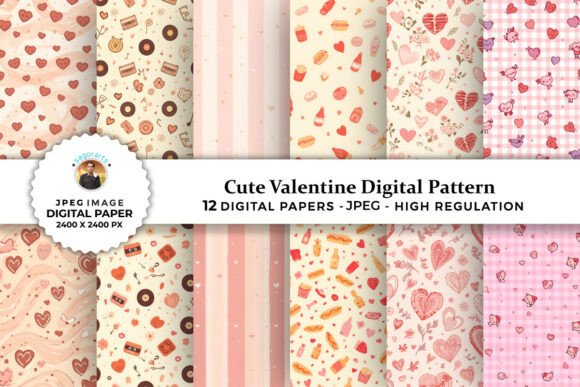
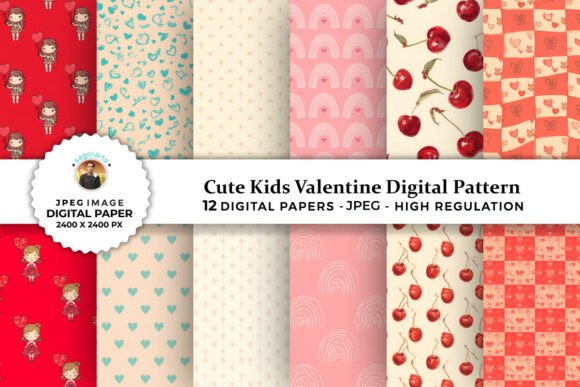
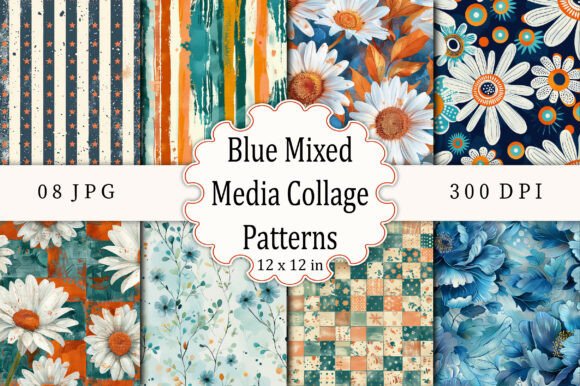
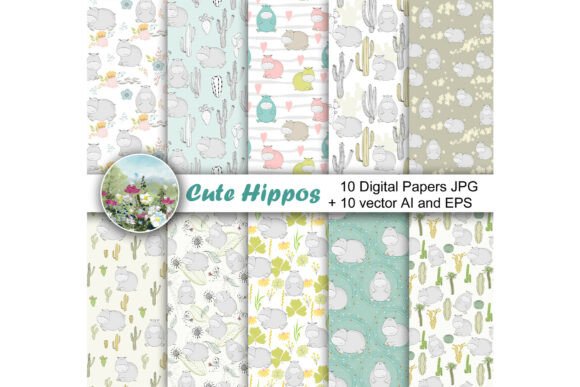
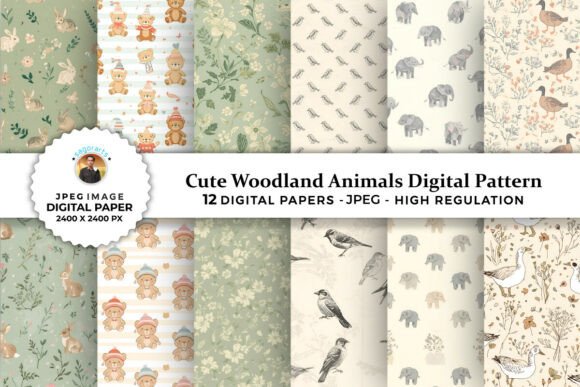
In the landscape of digital design and small business operations, efficiency often hinges on the quality and versatility of your foundational assets. For creators, entrepreneurs, and hobbyists alike, sourcing high-quality digital papers is not merely a creative choice but a strategic workflow decision. The Cute Woodland Animals Digital Patterns collection represents a specific category of digital asset that bridges the gap between aesthetic appeal and functional utility. This collection, comprising 12 distinct high-resolution JPEG files, is designed to streamline processes ranging from gift wrapping and greeting card production to tumbler wraps and scrapbooking projects.
Understanding how these patterns integrate into broader workflows requires looking beyond their visual charm. While the subject matter—adorable woodland creatures—suggests a niche application in children’s parties or baby showers, the underlying technical specifications and design consistency make them valuable tools for any creator seeking to maintain brand coherence while reducing production time. This article explores the practical implementation of these digital patterns, focusing on preparation, compatibility, organization, and long-term usability within professional and personal creative projects.
Asset Specifications and Technical Compatibility
Before integrating any digital asset into a production pipeline, verifying its technical parameters is essential. The Cute Woodland Animals Digital Patterns are delivered as a single zip file containing 12 individual digital papers. Each file is provided in JPEG format with a resolution of 2400 x 2400 pixels. While this square aspect ratio may seem limiting compared to standard rectangular paper sizes, it offers significant advantages in modern digital workflows, particularly for social media backgrounds, digital invitations, and scalable vector-based printing.
The 2400-pixel dimension ensures high fidelity when scaling down for smaller items like tags or upscaling for larger prints, provided the source software supports adequate interpolation. JPEG is a widely compatible format, ensuring that these assets can be opened in virtually any image editing software, from Adobe Photoshop and Illustrator to Canva and Cricut Design Space. However, users should note that JPEG is a lossy compression format. For critical print jobs where color accuracy is paramount, understanding the color profile (typically sRGB for web use) is vital to prevent unexpected shifts during the printing phase.
- File Format: JPEG ensures broad compatibility across devices and software platforms.
- Resolution: 2400 x 2400 pixels provides sufficient detail for most craft and print applications.
- Packaging: Delivered in a single zip file, simplifying download and initial extraction processes.
Workflow Integration: From Concept to Execution
The true value of digital patterns lies in how they fit into the lifecycle of a project. Whether you are a freelance graphic designer preparing a client deliverable or a small business owner fulfilling orders on Etsy, the integration of these patterns should follow a structured approach to ensure consistency and efficiency.
Pre-Production Planning and Asset Organization
Efficiency begins before the first pixel is manipulated. Upon downloading the zip file, immediate organization is recommended. Create a dedicated folder structure within your asset library labeled by theme (e.g., "Woodland_Creatures") and date acquired. This practice prevents "asset fatigue," where creators waste time searching for files amidst disorganized downloads.
For professionals managing multiple clients, consider tagging these files with metadata if your digital asset management system supports it. Keywords such as "nature," "animals," "printable," and "cute" will facilitate quick retrieval during future project phases. This preparatory step reduces friction during the execution phase, allowing you to focus on design rather than file management.
Design Implementation and Scalability
Once organized, the patterns can be applied to various mediums. The square format of the 2400x2400 images makes them particularly effective for:
- Square Invitations: Perfect for digital invites sent via email or social media, where aspect ratios are often constrained.
- Product Mockups: Use the patterns as background textures for mockup templates of journals, notebooks, or fabric swatches.
- Tumbler Wraps: While tumblers are cylindrical, the pattern can be repeated seamlessly or used as a focal point. Designers should check the repeat capability of the pattern; if the edges do not tile perfectly, cropping strategies must be employed during the layout phase.
When working in design software, utilize the pattern as a fill layer rather than a static image. This allows for non-destructive editing. If a client requests a color variation, adjusting the hue/saturation of the pattern layer is far more efficient than recreating the design from scratch. This flexibility is crucial for maintaining agility in client revisions.
Use Cases Across Different Industries
The versatility of the Cute Woodland Animals Digital Patterns extends beyond simple crafts. Here is how different professional roles can leverage these assets:
Educators and Homeschool Parents
Educators often need engaging materials to capture student attention. These patterns are ideal for creating printable worksheets, classroom decorations, or reward charts. The high resolution ensures that when printed on standard home printers, the details remain crisp. Teachers can integrate these images into lesson plans about nature or animal habitats, using the visuals as discussion starters. The ease of access means educators can quickly produce customized materials without needing advanced graphic design skills.
Small Business Owners and Marketers
For small business owners, particularly those in the handmade goods sector, branding consistency is key. If a brand identity incorporates natural elements, these patterns provide a ready-made texture that aligns with that ethos. They can be used for packaging inserts, thank-you cards included in shipments, or promotional graphics on Instagram and Pinterest.
Marketers can A/B test different background patterns to see which drives higher engagement rates in email newsletters. The "cute" aesthetic often correlates with higher click-through rates in niches related to family, parenting, and wellness. By swapping out the background pattern in a template, marketers can refresh content appearance without altering the core message, saving time on campaign setup.
Freelancers and Publishers
Freelance illustrators and self-publishing authors can use these patterns as secondary assets in book covers, interior borders, or chapter headers. For instance, a children’s book author might use one of the woodland patterns as a recurring motif throughout the text pages, creating a cohesive reading experience. Publishers benefit from having pre-approved, high-quality textures that reduce the need for custom illustration for every minor design element.
Quality Control and Long-Term Usability
Implementing digital assets requires a commitment to quality control. Before finalizing any project, always preview the pattern at actual size. Scaling issues can sometimes introduce artifacts, especially in JPEG files. Check for banding in gradients or pixelation in fine lines, particularly if the output device has a high DPI (dots per inch).
Furthermore, consider the longevity of the trend. While "woodland animals" have a timeless appeal, seasonal variations exist. These patterns work exceptionally well for autumn-themed events, spring birthdays, or year-round nature education. To maximize ROI (Return on Investment), diversify your usage. Do not limit the patterns to a single product line. Repurpose them across different mediums—digital and physical—to stretch the value of the initial purchase.
Organization is also a factor in long-term usability. As your digital library grows, keeping track of licenses and usage rights is critical. Ensure that the license for the Cute Woodland Animals Digital Patterns permits commercial use if you intend to sell products featuring these designs. Most digital paper packs allow for commercial use in finished goods, but restrictions may apply to reselling the raw files themselves. Always verify these terms to avoid legal complications.
Conclusion
The Cute Woodland Animals Digital Patterns offer more than just decorative value; they serve as efficient, versatile tools for streamlining creative workflows. By understanding their technical specifications, organizing them effectively, and applying them strategically across various projects, creators and business owners can enhance both the quality and speed of their output. Whether you are designing a greeting card, wrapping a gift, or updating your brand’s visual identity, these patterns provide a reliable foundation that supports both aesthetic goals and operational efficiency. Integrating them into your process requires minimal effort but yields significant benefits in consistency, professionalism, and time savings.