Tie Dye Shibori Patterns
In a digital landscape saturated with sterile minimalism and perfectly aligned grids, there is a distinct hunger for texture, imperfection, and organic movement. Enter Tie Dye Shibori Patterns, a visual language that bridges the gap between traditional Japanese resist-dyeing techniques and modern abstract aesthetics. This isn't just about color; it's about the interplay of fluidity, structure, and the unexpected beauty found in natural irregularities. When translated into digital design assets—particularly in high-resolution formats like 5000 x 5000 JPEG files—these patterns offer designers, marketers, and content creators a powerful tool to inject soul and depth into their projects.
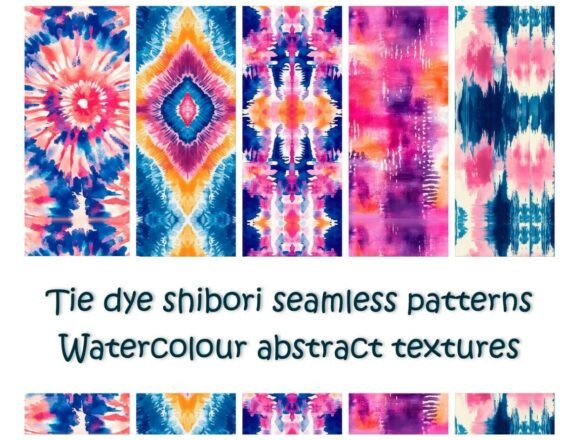
The term "Tie Dye Shibori" often evokes images of fabric, but in the realm of graphic design and digital art, it represents a specific set of visual characteristics: blurred edges, radial symmetry, watercolor-like bleeds, and a sense of controlled chaos. These elements create a vibe that is simultaneously calming and energetic. It feels handmade, even when generated algorithmically or used as a background layer. For professionals looking to elevate their brand identity or editorial design, understanding how to leverage these textures can mean the difference between a flat, forgettable design and one that resonates on an emotional level.
The Visual Personality of Organic Texture
To understand why Tie Dye Shibori Patterns are so effective, we have to look at what they communicate visually. Unlike rigid geometric shapes or sharp sans serif font structures, shibori-inspired designs rely on soft transitions and gradients. The visual personality here is approachable, artistic, and slightly nostalgic. It recalls the tactile experience of cotton dyed in indigo or the vibrant swirls of acrylic paint mixed with water.
When you incorporate these textures into your work, you are introducing a counterpoint to the digital coldness of screens. A 5000 x 5000 JPEG resolution ensures that these subtle details—the tiny white cracks where the dye didn't penetrate, the gradual fade from deep blue to pale sky—are preserved without pixelation. This high fidelity is crucial for print applications like packaging design, where customers will hold the product and expect a premium feel. In web design, these patterns serve as excellent backgrounds that don't compete with foreground content, provided they are used with restraint.
The appeal lies in the balance. Pure tie-dye can sometimes feel juvenile or overly casual if not executed well. However, when framed within the context of Shibori, which implies a more structured, folded, and intentional technique, the result gains sophistication. The pattern suggests craftsmanship. It tells the viewer that care was taken. This is invaluable for small business owners and entrepreneurs who want to signal quality without shouting about it through bold, aggressive typography.
Strategic Applications Across Creative Industries
The versatility of Tie Dye Shibori Patterns extends far beyond simple decoration. They function as foundational elements in various stages of the creative process. Let’s break down where these assets add the most value across different professional domains.
- Brand Identity and Logo Design: While you wouldn't typically use a complex shibori pattern as the core of a logo, it serves as an exceptional supporting element. Think of it as part of a broader brand system. A clean, modern typography paired with a subtle shibori texture in the corner of a business card or website footer adds layers of interest. It helps create a memorable visual signature that distinguishes your brand from competitors using standard corporate palettes.
- Packaging Design: This is perhaps the strongest use case. Consumers are drawn to packaging that feels authentic. A cosmetic bottle, a craft beer label, or an artisanal food box can benefit immensely from a shibori background. The organic lines suggest natural ingredients or handcrafted processes. When combined with a complementary script font or a sturdy serif font, the packaging communicates luxury and tradition simultaneously.
- Social Media Graphics and Digital Marketing: In the scroll-heavy world of Instagram or Pinterest, static images need to stop the thumb. Abstract, colorful, and textured backgrounds do exactly that. Tie Dye Shibori Patterns provide a dynamic canvas for quotes, announcements, or product showcases. Because the patterns are seamless, they can be tiled or stretched to fit any aspect ratio without visible seams, making them incredibly efficient for content creators who need to produce volume quickly.
- Editorial Design and Publishing: Magazines and long-form blogs often struggle with keeping text blocks engaging. Using shibori textures as section dividers, pull-quote backgrounds, or header accents breaks up the monotony of black text on white paper. It guides the reader’s eye and creates a rhythm in the reading experience. For publishers, this enhances readability by providing visual cues for content shifts.
Evaluating Project Fit and Readability
Not every project calls for organic abstraction. Before integrating Tie Dye Shibori Patterns into your workflow, it is essential to evaluate the context. These textures work best when they support, rather than dominate, the primary message. If your goal is to convey strict professionalism, legal clarity, or technical precision, a heavy shibori overlay might distract from the information. In such cases, consider using muted, desaturated versions of the pattern or applying them at low opacity.
Readability is the key metric. When placing text over a shibori background, contrast becomes your best friend. Dark text on light, pastel-colored swirls works well, as does light text on deep, indigo-based patterns. Avoid placing busy text directly over areas of high-contrast color bleeding. Instead, use solid-colored text boxes or drop shadows to ensure legibility. This attention to detail reflects a high level of professionalism and shows respect for the audience’s ability to consume your content.
Technical Considerations and Font Pairing
From a technical standpoint, the availability of high-resolution assets like 5000 x 5000 JPEGs is a game-changer. Many free resources online offer low-res images that blur when scaled up. Premium design assets, however, maintain integrity at any size. This allows for flexibility in layout. You can zoom in on a specific detail of the pattern to create a macro shot effect, or tile it seamlessly for full-page coverage.
Pairing these patterns with the right typeface is critical. Since shibori patterns are inherently decorative and fluid, they pair beautifully with clean, neutral fonts. A modern sans serif font provides a stark, elegant contrast that highlights the organic nature of the background. Alternatively, a classic serif font can evoke a sense of heritage and timelessness, reinforcing the traditional roots of shibori dyeing. Avoid pairing shibori patterns with other chaotic or highly stylized fonts, such as certain handwritten or display fonts, unless you are aiming for a very specific, maximalist aesthetic. The rule of thumb is balance: let the pattern provide the emotion, and let the typography provide the information.
Commercial Licensing and Usage Rights
For entrepreneurs and small business owners, understanding licensing is non-negotiable. Not all Tie Dye Shibori Patterns are created equal in terms of legal usage. Some assets may be restricted to personal use only, meaning you cannot use them on products you sell. Always check the commercial license details. Look for terms that allow for end-product sales, digital distribution, and unlimited prints. Investing in properly licensed design assets protects your business from copyright infringement issues and supports the artists who create these beautiful textures.
Ultimately, the power of Tie Dye Shibori Patterns lies in their ability to humanize digital spaces. They remind us of the physical world—the touch of fabric, the spread of ink, the randomness of nature. By thoughtfully integrating these textures into your branding, marketing materials, and creative projects, you create a deeper connection with your audience. It is a subtle shift, but in a crowded market, subtlety often speaks the loudest.